Pressure Vessels

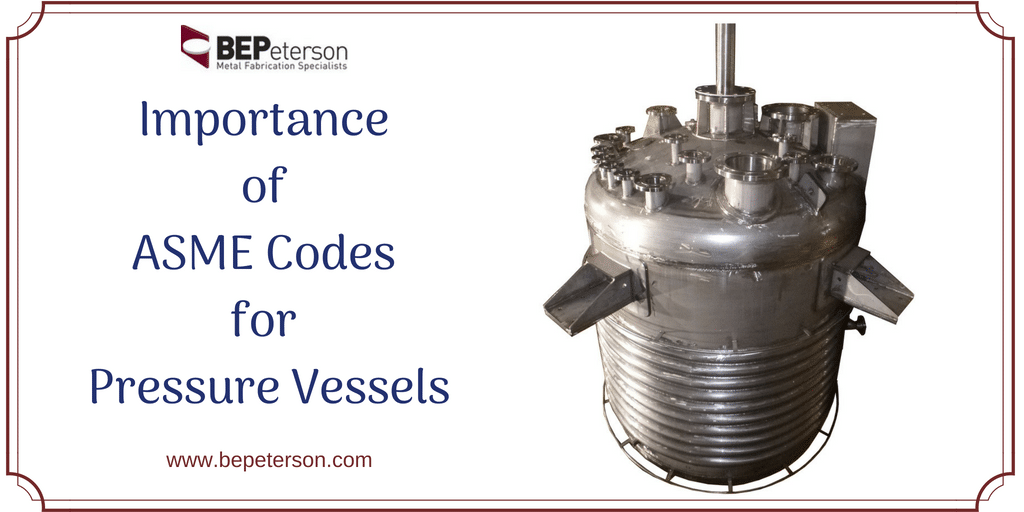
Understanding the Importance of ASME Codes for Pressure Vessels

Quick answer ASME codes matter because they provide the standardized rules for safe design, fabrication, inspection, and testing of pressure vessels, backed by third‑party oversight and documented traceability. Section VIII (Div 1/2/3) plus qualified materials (ASME II) and welding (ASME IX) lead to code‑stamped vessels (e.g., U/UM/U2/U3) accepted by regulators and insurers—reducing risk and ensuring the vessel […]

Understanding the Importance of ASME Codes for Pressure Vessels Read More »
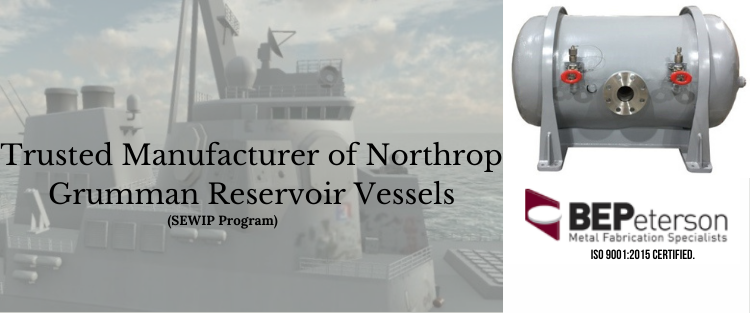
Why BEPeterson is a Proud Manufacturer of Northrop Grumman Reservoir Vessels?

Quick answer BEPeterson manufactures ASME Section VIII stainless‑steel reservoir vessels for Northrop Grumman’s SEWIP Block 3 naval program—engineered for marine duty, corrosion resistance, and pressures up to 10,000 psi. Built under an ISO 9001:2015 system with qualified welding per Section IX and documented inspection/test plans, these reservoirs support reliable operation in critical electronic‑warfare applications. Naval warships are under consistent

Why BEPeterson is a Proud Manufacturer of Northrop Grumman Reservoir Vessels? Read More »

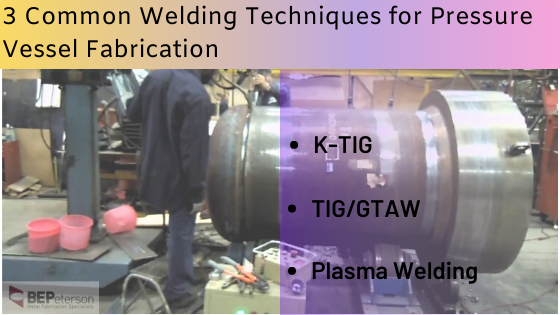
3 Primary Welding Techniques Applicable to Pressure Vessels Fabrication

Quick answer Three primary welding techniques used in pressure‑vessel fabrication are TIG/GTAW for the highest‑quality, precise welds on stainless and non‑ferrous alloys; Plasma Arc Welding for tightly controlled, fast welding on thin and thick sections; and K‑TIG (Keyhole TIG) for single‑pass, full‑penetration welds on stainless, titanium, zirconium, and nickel that deliver x‑ray‑quality results with minimal

3 Primary Welding Techniques Applicable to Pressure Vessels Fabrication Read More »

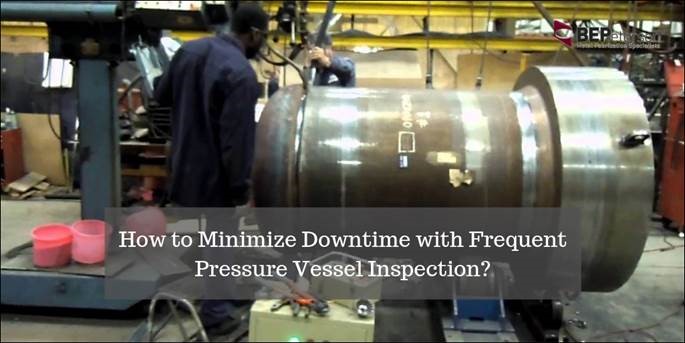
How to Minimize Downtime with Frequent Pressure Vessel Inspection?

Quick answer To minimize downtime, run a disciplined pressure‑vessel inspection program that finds issues early and moves repairs into planned outages. Schedule regular external/internal checks with targeted NDE (as needed), use certified inspectors, review prior reports and ASME requirements before you start, and document findings with prompt corrective actions—improving safety and compliance while extending service

How to Minimize Downtime with Frequent Pressure Vessel Inspection? Read More »

The Importance of Determining the Right Size for a Pressure Vessel

Quick answer Getting the right vessel size protects safety, performance, and cost: undersized vessels risk over‑pressurization and added units; oversized vessels drive thicker walls, higher weight, and logistics/transport complexity. Size by your required working/hold‑up volume, design pressure/temperature, and fluid properties, then confirm the material/shape and handling/transport limits so the vessel meets application needs without adding

The Importance of Determining the Right Size for a Pressure Vessel Read More »

How to Identify Fatigue Points While Inspecting Pressure Vessels

Pressure vessels are used in a variety of industries for storing liquids and gases in various pressure and temperature conditions. Thus, these vessels are subjected to stringent inspections during and after manufacturing. Even though various advanced inspection equipment is employed at the service, they are not enough to ensure the safety of the vessel. A

How to Identify Fatigue Points While Inspecting Pressure Vessels Read More »

Pressure Vessel Head Types

Introduction to Different Pressure Vessel Head Types

Quick answer The main pressure‑vessel head types are Hemispherical, 2:1 Semi‑Elliptical (SE), ASME Flanged & Dished (F&D), Flat, and Quick‑Opening Closures. Choose by pressure and access needs: hemispherical offers the best pressure efficiency; 2:1 SE balances strength and height/cost; F&D is economical for moderate pressures; flat suits low/atmospheric service with added thickness/support; QOCs replace a

Introduction to Different Pressure Vessel Head Types Read More »