Storage Tanks

Safety Tips for Storage & Handling of Anhydrous Ammonia

Quick answer Safe storage and handling of anhydrous ammonia require pressure‑rated tanks (typically ≥250 psi) in compatible, non‑corrosive materials; tight transfer setups; and trained personnel using full PPE (chemical goggles, rubber gloves, overalls, appropriate respirator). Keep clean water immediately available, control temperature/pressure, verify valve/hoses integrity, and follow OSHA 1910.111 with clear leak‑response and evacuation procedures to […]

Safety Tips for Storage & Handling of Anhydrous Ammonia Read More »
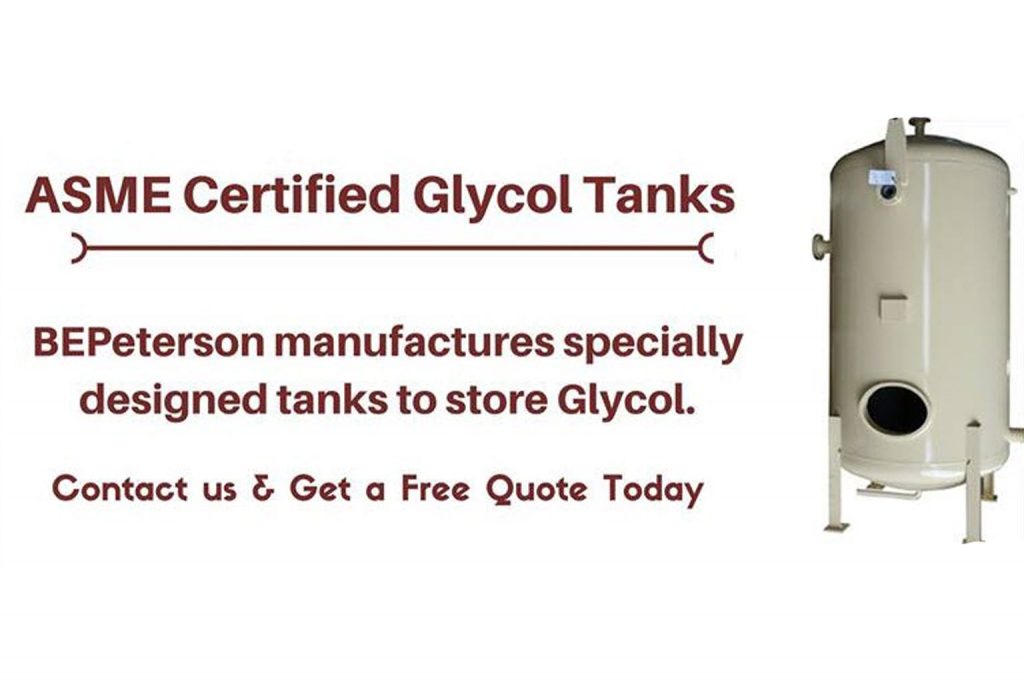
Why BEPeterson is the Leading Provider of Ethylene Glycol ASME Tanks

Quick answer BEPeterson is a leading source for ethylene‑glycol ASME tanks because we build custom, code‑stamped vessels to ASME Section VIII in an ISO 9001 facility with certified welding (GTAW/GMAW/FCAW/SAW) and in‑house RT/hydro testing and documentation. We tailor carbon, stainless, or lined‑steel designs—vertical or horizontal with the head style and connections you specify—for chemical, refinery, power,

Why BEPeterson is the Leading Provider of Ethylene Glycol ASME Tanks Read More »

Everything You Should Know About Glycol Storage

Quick answerSafe glycol storage starts with the fluid type—propylene glycol (non‑toxic) vs ethylene glycol (toxic)—then pairs it with a compatible tank in carbon or stainless steel and the right safeguards. Specify pressure/vacuum relief and moisture control (glycols are hygroscopic), proper grounding, validated weld procedures, and code‑level inspection/testing. Choose vertical (small footprint) or horizontal (larger capacity)

Everything You Should Know About Glycol Storage Read More »

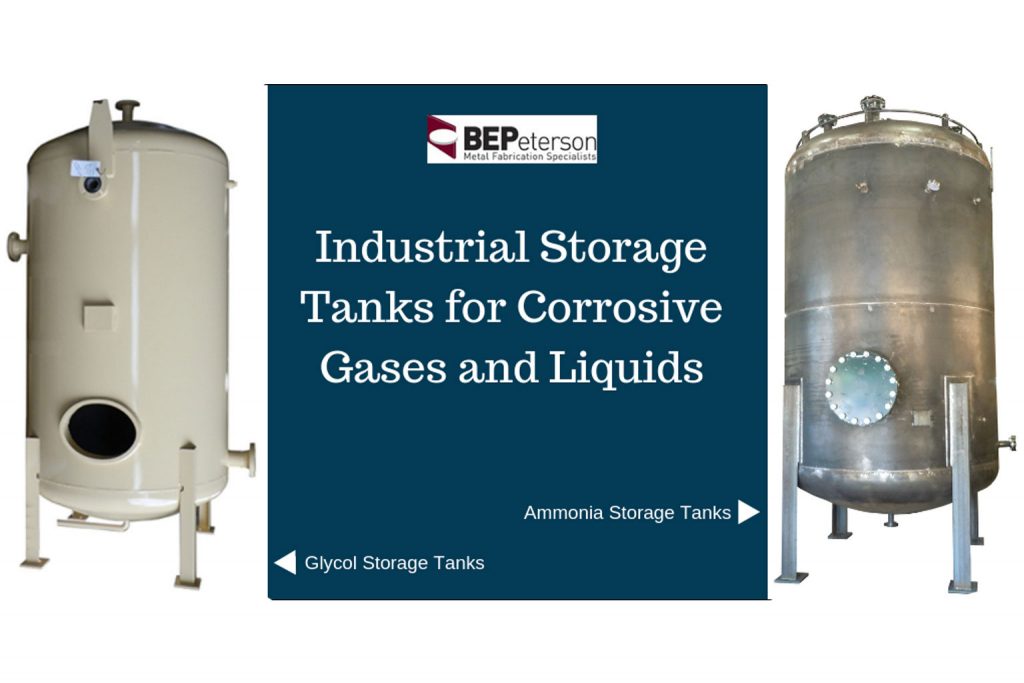
Common Types of Industrial Storage Tanks for Corrosive Gases and Liquids

Quick answer For corrosive media, the page highlights ASME‑compliant ammonia tanks (stainless steel, high‑pressure with internal/excess‑flow safety valves) and glycol tanks in carbon or stainless steel (atmospheric to low‑pressure, optional double‑wall). Select by chemical compatibility, temperature/service conditions, and pH/concentration; then specify the required pressure rating, construction material/lining, and safety features to meet your application and

Common Types of Industrial Storage Tanks for Corrosive Gases and Liquids Read More »

Why Glycol Needs to Be Stored In ASME Tanks?

Quick answer Glycol should be stored in ASME Section VIII tanks to provide pressure/temperature‑rated containment for thermal expansion, controlled venting (PVRV), and moisture control on a hygroscopic fluid—while meeting safety and regulatory expectations, especially for toxic ethylene glycol. Code‑stamped, tested vessels (hydro/NDE, documented weld procedures) reduce exposure risk and ensure integrity. Specify carbon or stainless steel

Why Glycol Needs to Be Stored In ASME Tanks? Read More »