
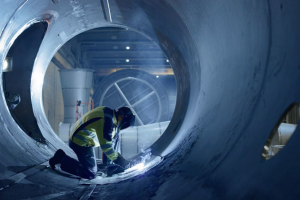
Ensuring the Quality of Steel Plates in Pressure Vessels
Quick answer We ensure pressure‑vessel steel plate quality by sourcing fully‑killed, fine‑grain plate in the required thickness range (≈14 ga to 2 in) and maintaining full MTR
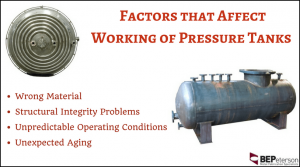
Factors That Affect Working of Pressure Vessels
Quick answer Pressure‑vessel performance is driven by correct material selection (spec‑compliant, traceable plate), fabrication quality (sound welds with proper inspection), and actual operating conditions versus

How are PED Pressure Vessels Manufactured?
Quick answer PED pressure vessels are engineered to the Directive’s Essential Safety Requirements, then formed (rolling/pressing/spinning), welded with qualified procedures, and PWHT if required. Materials
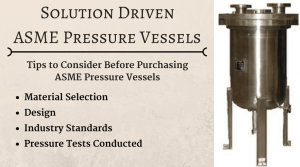
4 Tips to consider Before Purchasing ASME Pressure Vessels
Quick answer Before purchasing an ASME pressure vessel, lock down your application/specs (media, MAWP, temperature, corrosion allowance) and select the right materials (carbon/stainless/ni alloys or
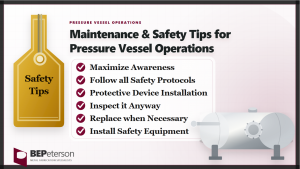
6 Maintenance and Safety Tips for Pressure Vessels Operation
Quick answerKeep pressure‑vessel operations safe by ensuring trained operators follow established protocols, fitting the vessel with properly adjusted protective/safety devices, and performing regular external/internal inspections
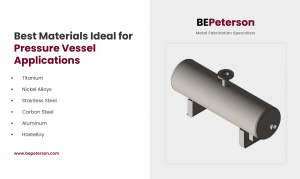
6 Best Materials Ideal for Pressure Vessel Applications
Quick answerThe best materials for pressure vessels are Titanium, Nickel Alloys (Inconel/Monel), Stainless Steel (304L/316L), Carbon Steel (SA‑516), Aluminum, and Hastelloy C‑276. Choose by service
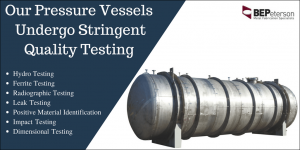
How are Pressure Vessels Tested for Quality at BEPeterson?
Quick answer At BEPeterson, pressure vessels are verified to ASME Section VIII (within an ISO 9001:2015 system) using hydrostatic testing (typically up to 1.5× MAWP) plus
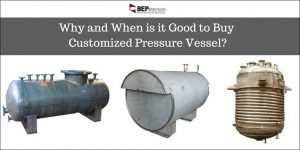
Why Choose Custom Pressure Vessels?
Quick answer Customized pressure vessels are preferred because they’re engineered to your exact process specs and site constraints—size, volume, nozzles, and footprint—while meeting the right
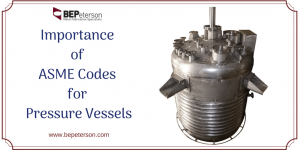
Understanding the Importance of ASME Codes for Pressure Vessels
Quick answer ASME codes matter because they provide the standardized rules for safe design, fabrication, inspection, and testing of pressure vessels, backed by third‑party oversight
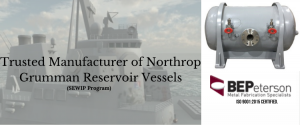
Why BEPeterson is a Proud Manufacturer of Northrop Grumman Reservoir Vessels?
Quick answer BEPeterson manufactures ASME Section VIII stainless‑steel reservoir vessels for Northrop Grumman’s SEWIP Block 3 naval program—engineered for marine duty, corrosion resistance, and pressures up

ASME vs PED: Key Differences, Requirements, and Compliance
Quick answer ASME vs. PED: ASME Section VIII (U‑Stamp) is a code‑based certification used mainly for the U.S. market, verified by an Authorized Inspector; the
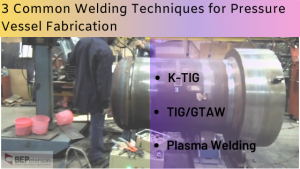
3 Primary Welding Techniques Applicable to Pressure Vessels Fabrication
Quick answer Three primary welding techniques used in pressure‑vessel fabrication are TIG/GTAW for the highest‑quality, precise welds on stainless and non‑ferrous alloys; Plasma Arc Welding